
What is a DSEAR Basis of Safety?
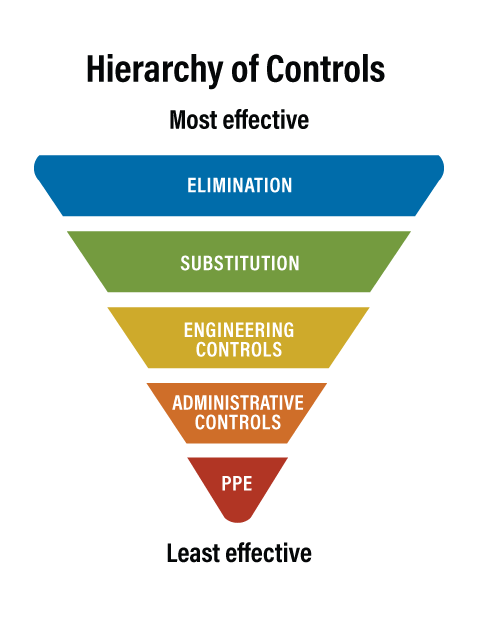
When carrying out a DSEAR risk assessment, a key step is selecting an appropriate Basis of Safety (BoS) for the process. Regulation 6 of DSEAR provides a priority list of control measures which broadly aligns with the engineering hierarchy of controls (Elimination, Substitution, Engineering Control, Procedural Controls, PPE), but is specific to fire and explosion hazards.
In short, DSEAR guides you towards stopping an explosive atmosphere from existing in the first place - this could be achieved by using a less or non-hazardous material, ventilation which will keep the substance outside of its flammable range, inerting, or containing the substance.
Once this is achieved as far as practicable, then ignition sources within the residual hazardous areas should be controlled - this is where ATEX equipment, earthing, and appropriate PPE (e.g. anti-static or ESD footwear) should be considered.
Finally, explosion protection measures - explosion venting, suppression, and isolation - should be considered, along with excluding personnel from the hazardous area where possible. This typically forms the basis of safety in processes where ignition sources cannot be mitigated, such as milling equipment.
What DSEAR Basis of Safety Can I Use?
We typically use the following main categories for the basis of safety:
Inherently Safe Design - achieved by eliminating hazards, or substituting materials with less hazardous alternatives.
Prevention of the Formation of an Explosive Atmosphere - achieved by keeping the substance or mixture outside of its explosive concentration.
Control of Ignition Sources - achieved by removing potential ignition sources from areas where explosive atmospheres could be present, and ensuring that any equipment which remains in these areas provides suitable protection against causing ignition of the substances present.
Exclusion of Personnel - achieved by suitably removing personnel from the potential hazardous consequences.
Explosion Mitigation - achieved by provision and installation of suitable explosion protection devices (e.g. explosion-resistant equipment, explosion panels, explosion suppression, explosion isolation systems).
If no basis of safety can be identified, then the risk is likely going to be considered unacceptable and remedial actions or a rethink of the process / operation will be required.
Expert Support for DSEAR
Our team supports clients across the UK with all aspects of DSEAR compliance, including:
If you need clarity or guidance, get in touch - we’re here to help.