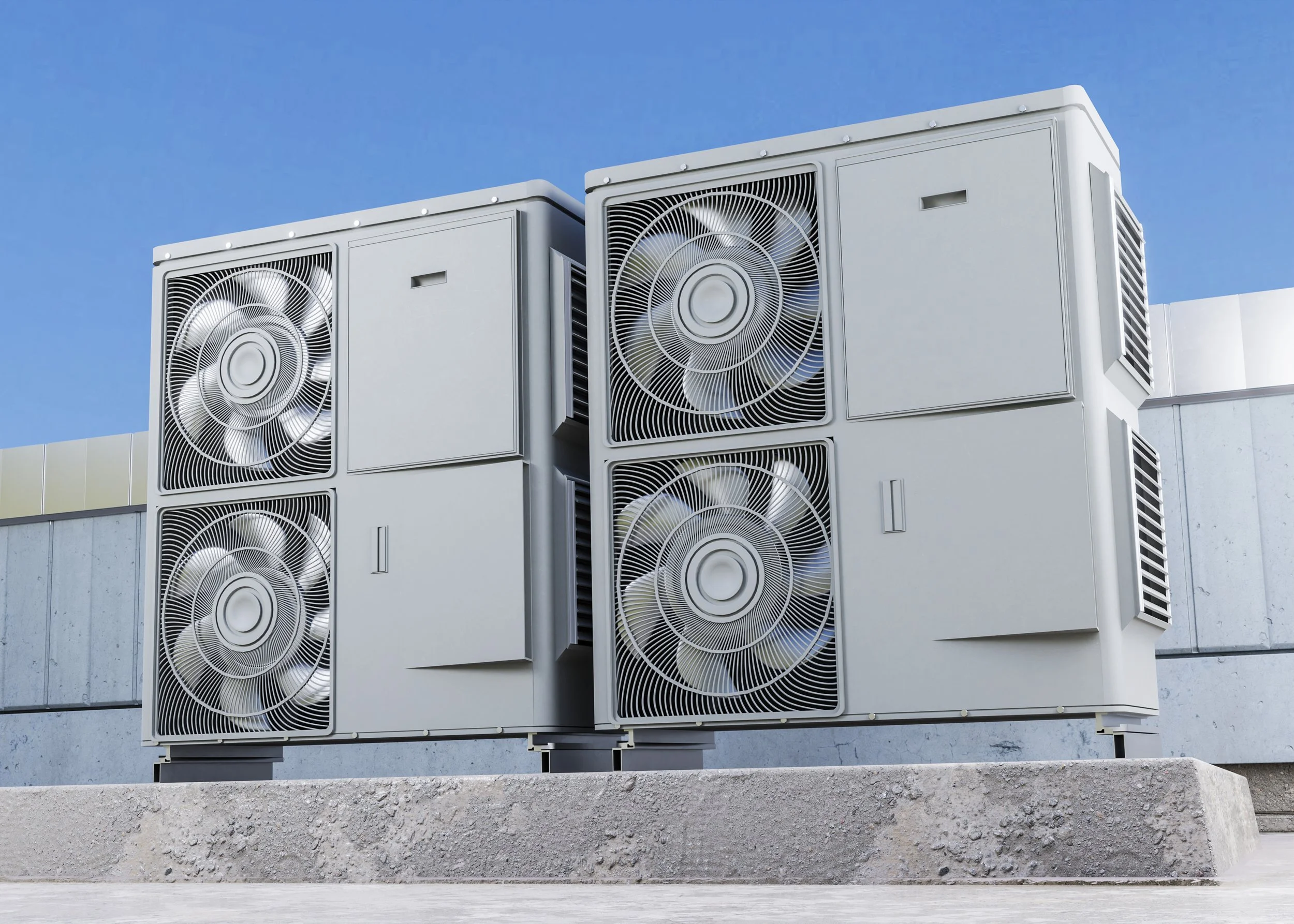
Heat Pump and Refrigeration System DSEAR Risk Assessment
Heat pumps are becoming more common in industrial settings. If a refrigerant is flammable, it is a requirement to assess it in line with the requirements of DSEAR. The hazardous are classification is typically conducted as for other gases using EN 60079-10-1, but there are additional considerations for the risk assessment and controls that are often overlooked.
When refrigeration plant is installed in an enclosed room or space (often a general or dedicated plant room in a building), it is classed as a “machinery room” by the EN 378 series of standards.
There are prescriptive requirements for “machinery rooms” containing lower flammability (A2L / B2L), flammable (A2 / B2), and higher flammability (A3 / B3) refrigerants. Ammonia (R-717) refrigeration systems have additional requirements at certain charges.
Care should be taken when determining if a refrigerant is a fire or explosion hazard - SDSs often do not contain complete information to accurately assess the hazards. EN 378-1 contains the safety classification and additional material property information for many common refrigerants in Annex E.
The DSEAR basis of safety of systems containing refrigerants is typically ventilation which will dilute any release below it’s Lower Flammability Limit (LFL), combined with isolation of electrical equipment to reduce the likelihood of ignition. EN 378-3 contains prescriptive ventilation requirements for flammable refrigerants (e.g. 4 ACH under normal operation, increasing to at least 15 ACH if gas detectors are triggered), detector locations and setpoints, and essential equipment which must remain powered in the event of detectors being triggered.
If you are installing heat pumps or refrigeration systems, ensure that DSEAR is considered at the design stage to avoid costly delays and remedial actions. We conduct DSEAR assessments for heat pump and refrigeration systems, as well as gap analyses against the DSEAR requirements of EN 378-3.